Why OcuRestore
Not just another eye mask.
Designed around how people actually use a warm compress — not how a product sheet says they should.
Why OcuRestore
Not just another eye mask.
Optometrist Created
Developed with the perspective of an eye-care professional and designed around the needs of real patients.
Consistent Heat
Designed to provide prolonged warmth without repeated microwaving or reheating.
Comfort-First Design
Soft materials and improved ear loops make it easy to relax while wearing the mask.
Ready When You Are
Every mask is individually sealed. Keep one at home, at work, in your carry-on, or beside your bed.
A better way to warm compress.
| OcuRestore | Microwave Mask | Warm Washcloth | |
|---|---|---|---|
| Self-heating | ✓ | — | — |
| No microwave required | ✓ | ✕ | ✓ |
| Consistent prolonged warmth | ✓ | Varies | ✕ |
| Individually wrapped | ✓ | ✕ | ✕ |
| Travel friendly | ✓ | Limited | Limited |
| Cleaning required | No | Yes | Yes |
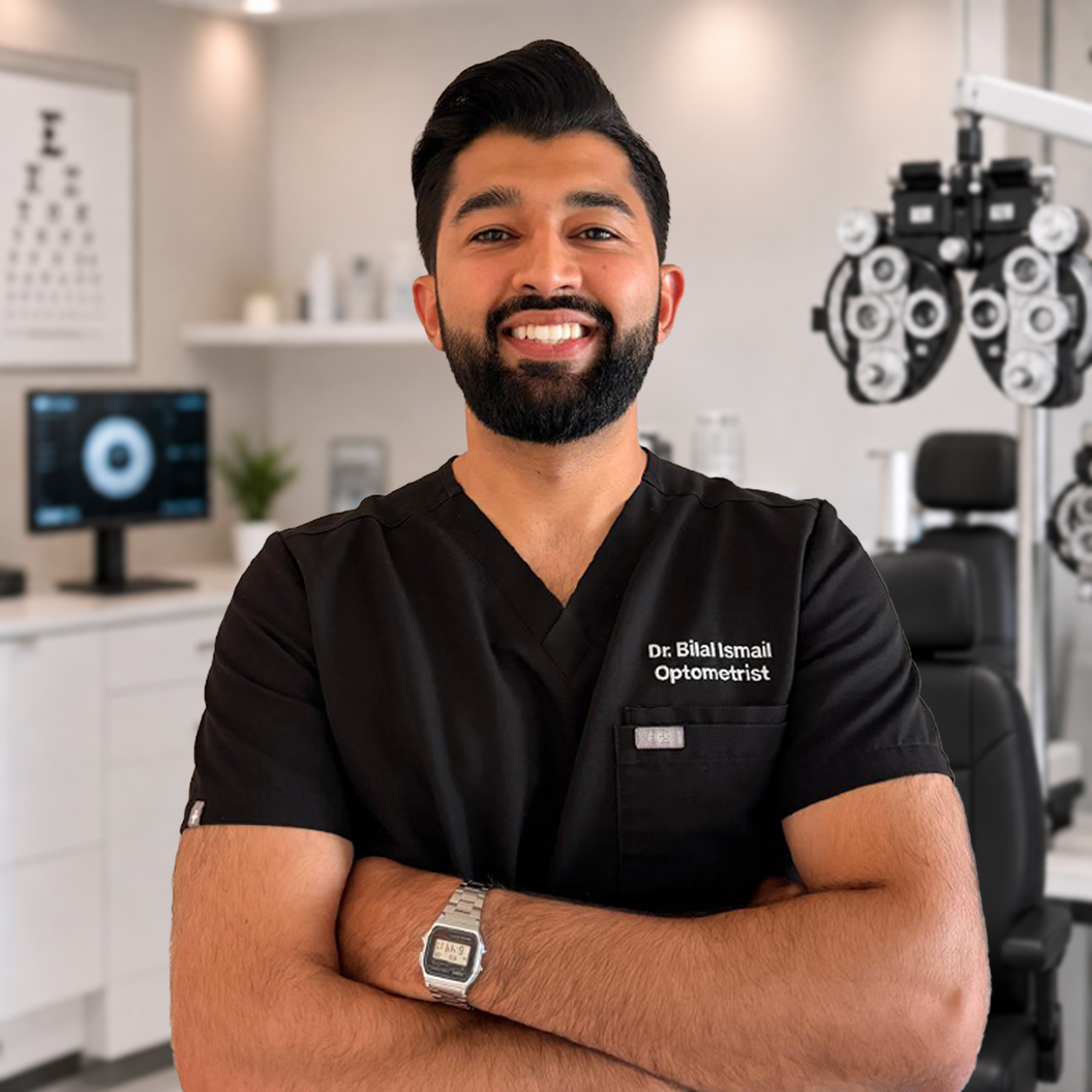
Why I created it
Patients were doing warm compresses the wrong way.
In clinic, I kept seeing the same patients come back with styes and Meibomian Gland Dysfunction. When I asked if they were doing warm compresses, they said yes — but "warm compress" turned out to mean a rung-out washcloth, or cupped hot water held against the eye. That cools within a minute or two, and it never stays hot long enough to reach the glands that actually need it.
That's the problem. The meibomian glands sit deep in the eyelid, and warmth has to travel through several layers to reach them.
First the skin, then the orbicularis muscle, then the subcutaneous fat and the dense tarsal plate — and only then do you reach the meibomian glands embedded within that plate. A washcloth gives up its heat at the surface. Consistent, sustained warmth is what softens the thickened oils blocking those glands.
I created OcuRestore to make that simple. Slip it on and it holds a steady, therapeutic temperature for 10–15 minutes — long enough to reach the glands, without reheating, a microwave, or guessing. Because when treatment is easy to actually do, people keep doing it. And when they keep doing it, the eyes get better instead of worse.